Physiatry Icon The OrthoAtlanta Physiatry Center

Pain, injury, and mobility limitations don't always require surgery. Many musculoskeletal conditions can be successfully treated through a comprehensive non-surgical approach focused on reducing pain, restoring function, and improving quality of life.

At Piedmont Orthopedics | OrthoAtlanta, our physiatrists specialize in Physical Medicine & Rehabilitation (PM&R) and non-operative orthopedic care. They work closely with patients to diagnose the source of pain, develop personalized treatment plans, and help restore movement without surgery whenever possible.


Why Choose Piedmont Orthopedics | OrthoAtlanta for Physiatry Care?

When it comes to non-surgical orthopedic and spine care, specialized expertise and coordinated treatment are essential. Patients across Metro Atlanta and throughout Georgia trust OrthoAtlanta for:

  • Fellowship-Trained Physiatrists
    Our physicians specialize in Physical Medicine & Rehabilitation (PM&R), focusing on the diagnosis, treatment, and rehabilitation of musculoskeletal and spine-related conditions without surgery.
  • Comprehensive, Coordinated Care
    Our physiatrists collaborate with orthopedic surgeons, physical therapists, pain management specialists, and rehabilitation professionals to provide seamless care throughout your treatment journey.
  • Advanced Non-Surgical Treatment Options
    We utilize evidence-based therapies, diagnostic procedures, image-guided injections, and rehabilitation strategies designed to relieve pain and restore function.
  • Conservative-First Treatment Philosophy
    Our goal is to help patients improve without surgery whenever possible through personalized treatment plans that address the underlying cause of pain.
  • Seamless Access to Orthopedic Specialists
    If surgery becomes necessary, patients benefit from OrthoAtlanta's integrated team of surgical and non-surgical specialists working together under one organization.

physiatry doctor testing patient's balance and strength

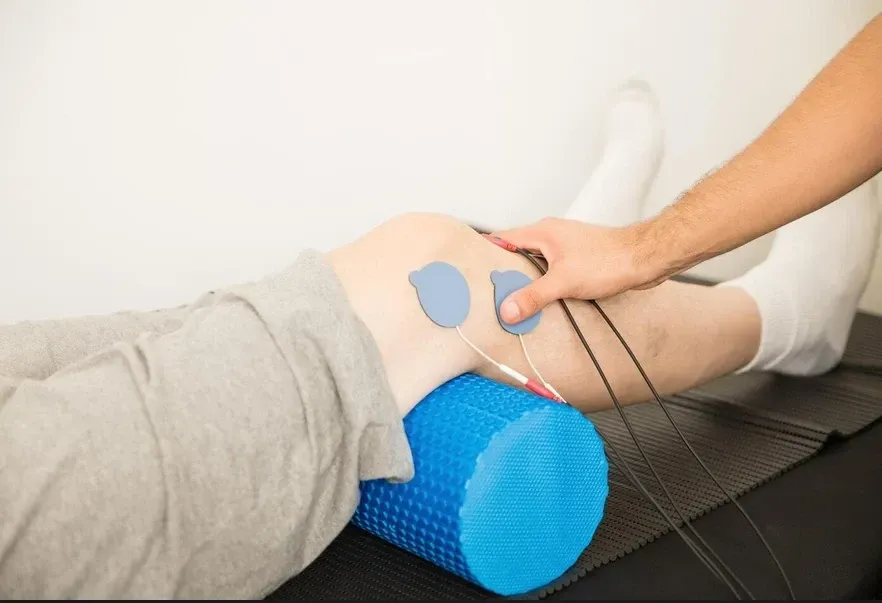
physiatrist treating patient's knee for mobility

What Is Physiatry?

Physiatry, also known as Physical Medicine & Rehabilitation (PM&R), is a medical specialty focused on restoring function, improving mobility, and reducing pain through non-surgical treatment methods.

Rather than focusing solely on a specific injury or body part, physiatrists evaluate how conditions affect movement, strength, and overall quality of life. Treatment plans are designed to address both symptoms and the underlying causes of pain while helping patients achieve long-term physical well-being.
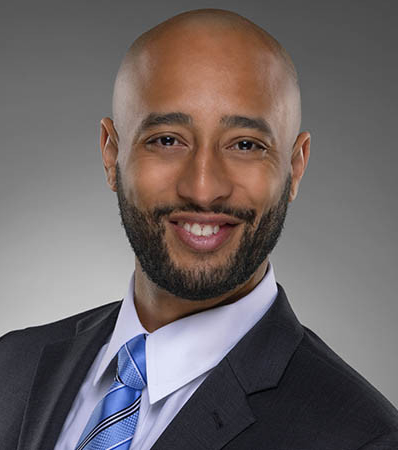
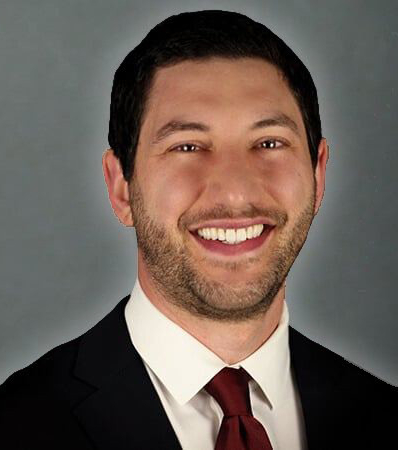
View Videos


Meet Our Physiatry Specialists

Christopher E. Alexander, M.D.

Physiatry and Spine (Non-Operative)
View Info

Jonathan E. Altman, M.D.

Physiatry and Spine (Non-Operative)
View Info

Gregory R. Franklin, M.D.

Physiatry and Spine (Non-Operative)
View Info

Naman Goel, M.D., DABPMR, DABPM

Physiatry and Spine (Non-Operative)
View Info

William J. Lichtenfeld, M.D.

Physiatry and Spine (Non-Operative)
View Info

Ryan W. Lirette, M.D.

Physiatry and Spine (Non-Operative)
View Info

Andrea B. McCullough, M.D.

Physiatry and Spine (Non-Operative)
View Info

Michael A. McHenry, M.D.

Physiatry and Spine (Non-Operative)
View Info

Wesley H. Miller, D.O.

Physiatry and Spine (Non-Operative)
View Info

Abdihakim Mohamoud, M.D.

Physiatry and Spine (Non-Operative)
View Info

Ashna Parti, D.O.

Physiatry and Spine (Non-Operative)
View Info

George J. Schilling, D.O.

Physiatry and Spine (Non-Operative)
View Info

Comprehensive Physiatry Conditions We Commonly Treat

Our physiatrists provide non-operative care for a wide range of orthopedic and spine-related conditions, including:

Spine & Back Conditions

  • Neck pain
  • Lower back pain
  • Sciatica
  • Herniated discs
  • Degenerative disc disease
  • Spinal stenosis
  • Cervical and lumbar radiculopathy
  • Sacroiliac (SI) joint pain
  • Whiplash injuries

Joint & Musculoskeletal Conditions

  • Arthritis 
  • Tendonitis
  • Bursitis
  • Sports injuries
  • Shoulder pain
  • Hip pain
  • Knee pain
  • Muscle strains
  • Overuse injuries

Nerve Conditions

  • Nerve compression syndromes
  • Peripheral neuropathy
  • Carpal tunnel syndrome
  • Cubital tunnel syndrome
  • Other nerve-related pain disorders

Advanced Non-Surgical Treatment Options

Our physiatrists offer a wide range of treatment options tailored to each patient's needs, including:

Physical Therapy & Rehabilitation

  • Customized exercise and rehabilitation programs designed to improve strength, flexibility, mobility, and function.

Image-Guided Injections

Advanced injection therapies may help reduce inflammation and relieve pain while improving mobility. Common procedures include:

  • Epidural steroid injections
  • Facet joint injections
  • Sacroiliac joint injections
  • Joint injections
  • Trigger point injections

Electrodiagnostic Testing

  • Diagnostic studies such as nerve conduction studies (NCS) can help identify nerve injuries and neurological conditions affecting movement and sensation.

Interventional Pain Management

  • Targeted procedures may help relieve chronic pain and improve function when conservative therapies alone are not sufficient.

What to Expect: Your Care Journey


Related Media

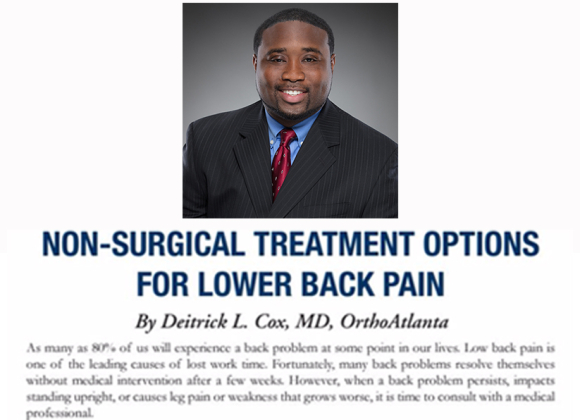
Dr. Deitrick L. Cox
Nov 03
Non-Surgical Treatment Options for Lower Back Pain

Dr. Deitrick L. Cox, discusses non-surgical treatment options for lower back pain in the November issue of Our Town.

Read More
Pelvic pain
Mar 22
Don’t Suffer in Silence from Chronic Pelvic Pain

Dr. Yolanda Scott discusses chronic pelvic pain in men and women in the March 2018 issue of Chapel Hill News & Views.

Read More
back pain
May 23
Why Live with Back Pain?

Dr. Yolanda Scott discusses back pain in the May 2018 issue of Chapel Hill News & Views.

Read More
carpal tunnel syndrome
Jul 25
Non-surgical treatment options for carpal tunnel syndrome

Dr. Yolanda Scott discusses non-surgical treatment options for carpal tunnel syndrome in the July 2018 issue of Chapel Hill News & Views.

Read More
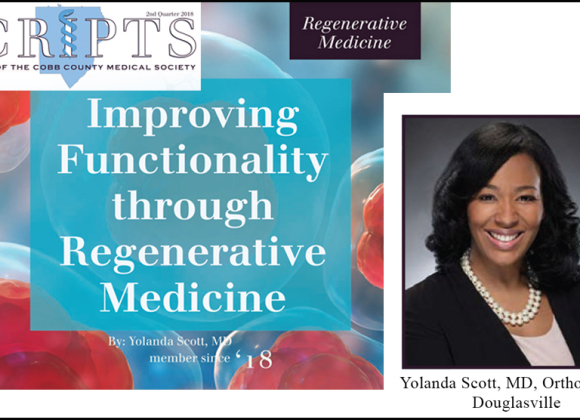
Dr. Yolanda Scott, Improving Functionality through Regenerative Medicine
Aug 15
Improving Functionality through Regenerative Medicine

Dr. Yolanda Scott discusses Improving Functionality through Regenerative Medicine in the 2nd Quarter 2018 issue of Scripts, a Journal of the Cobb County Medical Society.

Read More
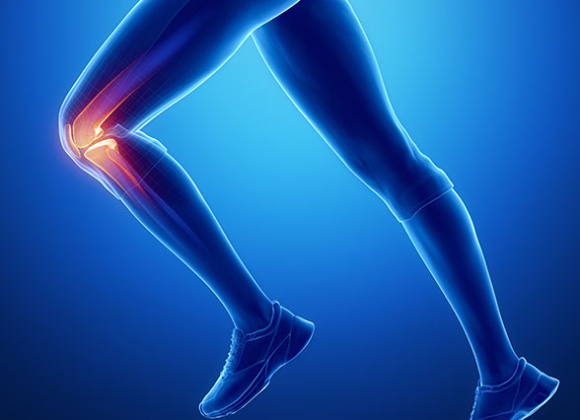
Knee Arthritis
Sep 28
5 Non-Surgical Ways to Treat Knee Arthritis Problems

Here are 5 non-surgical treatment options for knee arthritis.

Read More
Regenerative Medicine
Jan 22
Regenerative Medicine: How New Technologies such as PRP May Offer Hope for Treating Pain

One of the newest medical trends is the rapidly growing field of regenerative medicine, including PRP and stem cell therapy for treating painful orthopedic conditions.

Read More
Healthy holiday food
Oct 18
Holiday Eating for Healthy Bones

Healthy holiday eating tips to help support healthy bones.

Read More
Man with neck pain
Feb 19
Guide to Eliminating Back and Neck Pain at Work

Learn how to avoid back and neck pain at work.

Read More
Feb 11
Arthritis Pain and the Weather

Dr. Yolanda C. Scott discusses the connection between arthritic pain and the weather.

Read More
Feb 18
Dry Needling: A Treatment Option for Muscle Pain

Dry Needling is an alternative treatment option for muscle pain. 

Read More
Mar 10
Top Knee Exercises for Healthy Joints

Discover the best knee exercises you can do to insure healthy knee joints.

Read More

Frequently Asked Questions

Q:  What is a physiatrist?

A physiatrist is a physician specializing in Physical Medicine & Rehabilitation (PM&R) who focuses on non-surgical treatment of musculoskeletal, spine, nerve, and pain-related conditions.

Q:  Do physiatrists perform surgery?

No. Physiatrists specialize in non-operative treatment options and rehabilitation. If surgery becomes necessary, they coordinate care with orthopedic surgeons.

Q:  What conditions can be treated without surgery?

Many spine, joint, muscle, tendon, and nerve conditions can often be successfully managed with therapy, medications, injections, and rehabilitation.

Q:  Do I need a referral to see a physiatrist?

Many patients can schedule directly with a physiatrist, although referral requirements may vary depending on insurance coverage.

Q:  What is the goal of physiatry treatment?

The goal is to reduce pain, improve function, restore mobility, and help patients return to their desired activities without surgery whenever possible.

Hear What Other Patients Have to Say

  • Dr. Alexander is awesome! After struggling with chronic pain, he accurately diagnosed my conditions and recommended a personalized treatment plan that included physical therapy. He is kind and compassionate. I highly recommend Dr. Alexander and his great staff.

    -  Marni Seidel
  • I've struggled with lumbar back pain for more than 10 years and have seen several doctors for pain management. Dr. Parti has provided exceptional care with much better and longer-lasting outcomes than any of my previous doctors. She is very thorough and diligent, giving the impression that she truly cares about her patients. Highly recommend!

    -  B Bunch
  • Dr. Miller was very attentive and spent time reviewing reports and studies before my appointment. He explained everything in detail so I could fully understand my condition and how to improve it. The treatment recommendations had a huge impact on my pain issues. I walked out of the clinic pain-free, and the entire staff was friendly and helpful. Thank you!

    -  Pearlie Trent
Accept All Necessary Only