The OrthoAtlanta Elbow Center
Elbow pain can interfere with everyday activities — from lifting and driving to working at a computer or playing sports. At Piedmont Orthopedics | OrthoAtlanta, our specialists provide comprehensive care for elbow injuries and conditions, helping patients across the Atlanta metropolitan area return to normal function as quickly and safely as possible.
Whether your pain is caused by overuse, a sports injury, or a sudden trauma, our goal is to relieve discomfort, restore strength and mobility, and support long-term joint health.
Why Choose Piedmont Orthopedics | OrthoAtlanta for Elbow Care?
When it comes to elbow conditions, experience, coordination, and specialized expertise matter. Patients across Metro Atlanta trust OrthoAtlanta for:
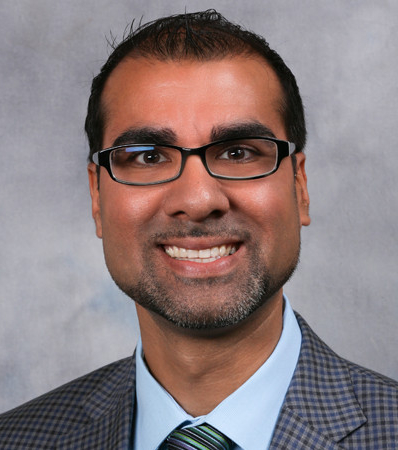
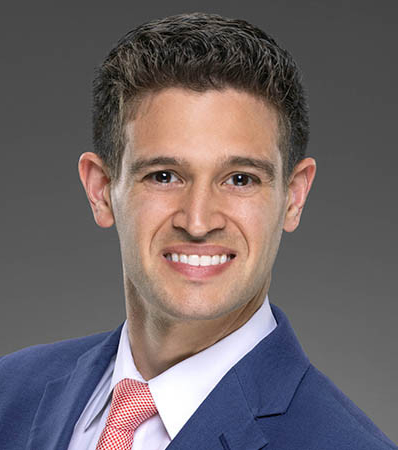
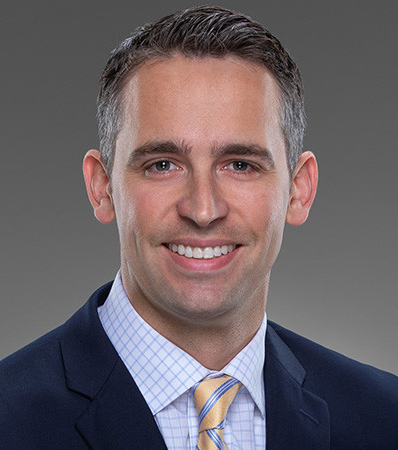
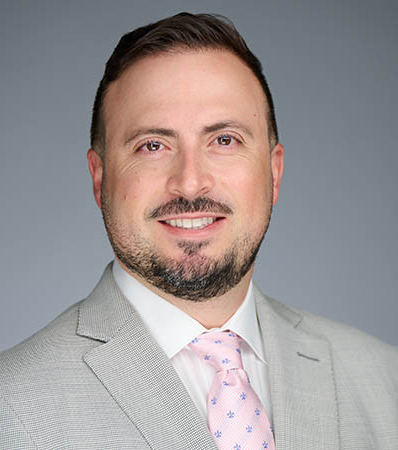
- Fellowship-Trained Orthopedic Specialists
Our physicians have advanced training in diagnosing and treating elbow conditions, including tendon injuries, ligament damage, fractures, and overuse syndromes. - Comprehensive, Coordinated Care
Orthopedic surgeons, physiatrists, and physical therapists work together to provide seamless care from diagnosis through recovery. - Advanced Diagnostic & Treatment Techniques
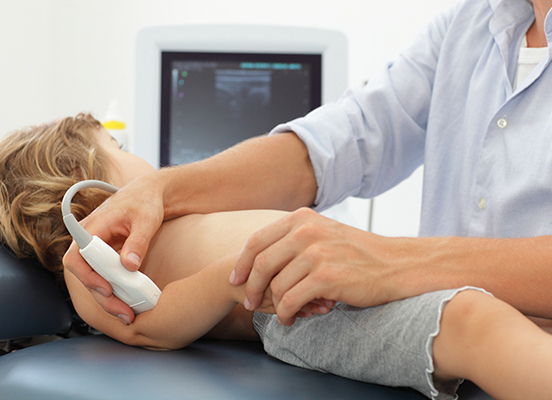
We utilize modern imaging, minimally invasive procedures, and evidence-based treatment protocols to support accurate diagnosis and effective care. - Conservative-First Treatment Philosophy
Whenever possible, we begin with non-surgical treatments such as physical therapy, bracing, and injections before recommending surgery. - Trusted Orthopedic Expertise Across Metro Atlanta
For decades, OrthoAtlanta has been a trusted provider of orthopedic care for patients, referring physicians, and community partners throughout the region.


Why Elbow Health Matters
The elbow is a complex joint made up of three bones connected by muscles, ligaments, and tendons. It allows you to bend and straighten your arm, as well as rotate your forearm and hand.
Because the elbow is used constantly in daily activities, even minor injuries can significantly affect your ability to work, exercise, and perform routine tasks. Early diagnosis and treatment are key to preventing long-term issues.