Orthopedic Fracture Treatment & Surgery
What is a Fracture?
A fracture is another term for a broken bone. Doctors may use either term to describe the condition. A fracture can refer to a tiny crack or a full break. Bone fractures can be the result of trauma or repeated stress over time. There are many different types of fractures according to how the bone breaks and the pattern of the fracture line.
What is Involved in Fracture Care?
The first step in taking care of a fracture is to diagnose what type of fracture it is. The doctor will then know which treatment to use to realign the bones and immobilize them for healing.
Diagnosing a Fracture
Your orthopedic surgeon will begin by discussing your medical history to find out if you have any health issues or are taking any medications that could affect the fracture's healing. They will also ask how the injury occurred.
During a physical examination, the doctor will check for swelling and tenderness and see if there are any signs of deformity. They may ask if you can move the part of your body that is broken or bear weight if it was a fracture in the lower extremities. They may also check for signs of nerve damage.
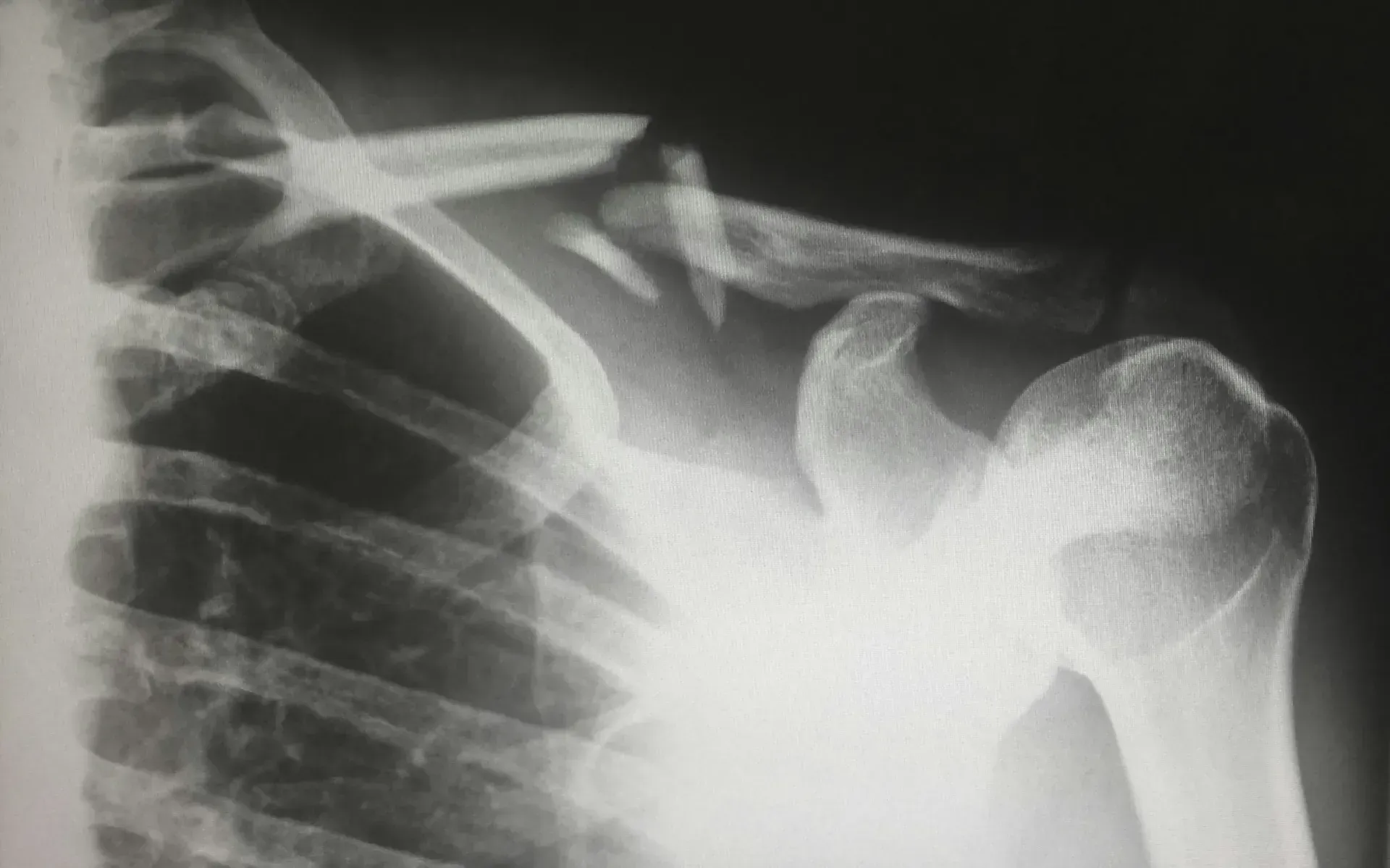
Imaging is often used to confirm the diagnosis. X-rays can clearly show the fracture pattern in the bone. In some cases, a CT scan or MRI scan may be used to identify stress fractures or damage to surrounding soft tissues.
Stabilizing the Fracture
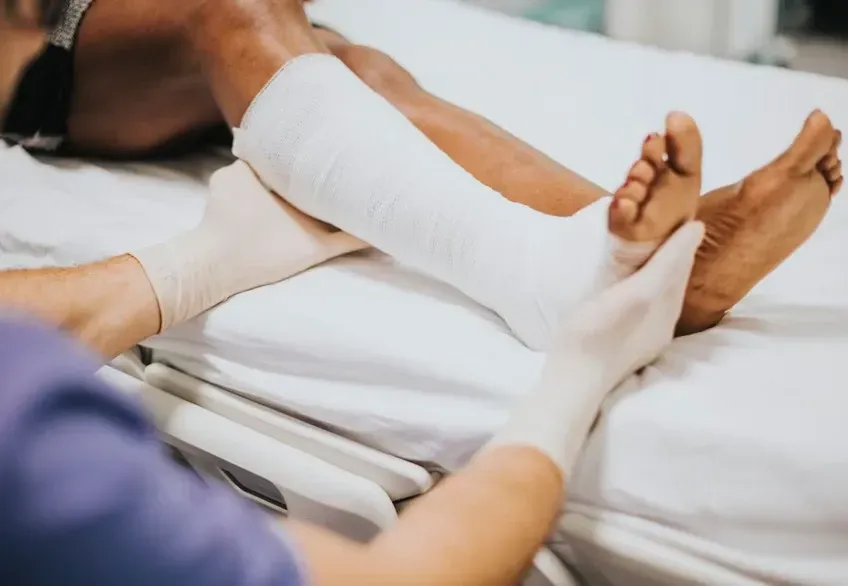
It is very important to stabilize the fracture during healing. This helps the bones heal in their proper alignment. The type of immobilization device will depend on the type of injury. Options include casts, splints, or slings.
Before placing in an immobilization device, the doctor may need to realign the broken bones in a procedure called reduction. Closed reduction is when the bones are aligned without making an incision. Open reduction is often used for more complex fractures and involves surgery to realign the bones and often internal fixation to immobilize the bones in position.