
By HealthDay Staff HealthDay Reporter
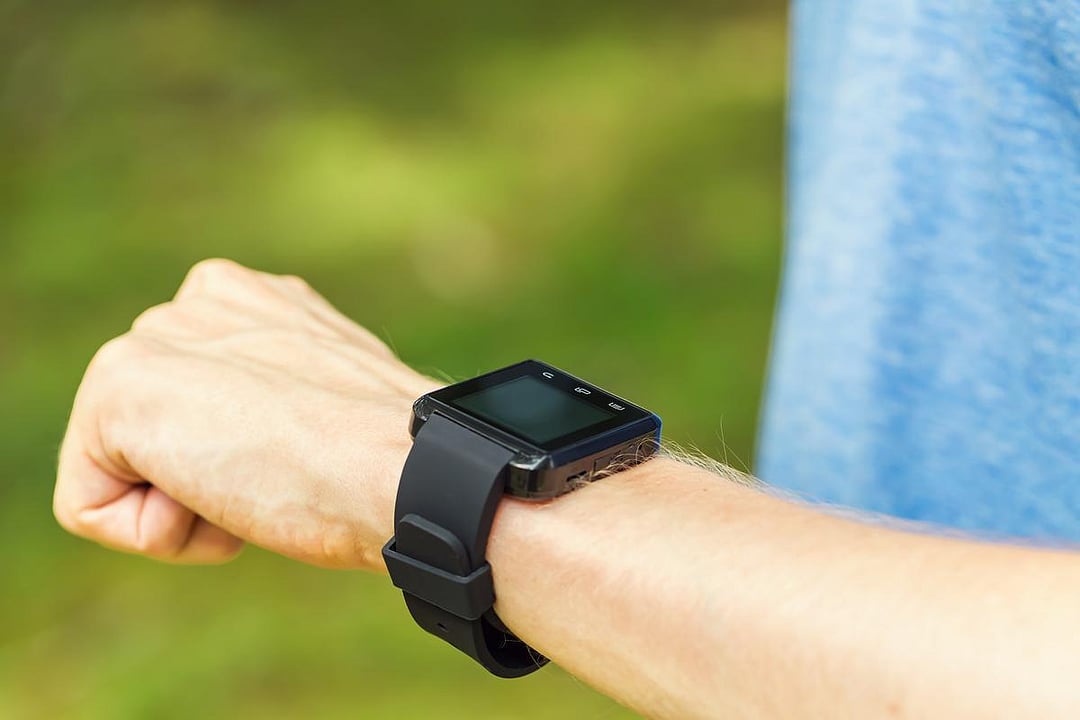
FRIDAY, Sept. 4, 2026 (HealthDay News) — Your smartwatch may be giving you more credit for your workout than you actually earned.
Researchers had 58 adults complete a cycling workout wearing four popular smartwatches, then compared their calorie estimates with clinical-grade measurements of actual energy use.
The result: Every watch showed substantial errors, typically off by about 15% to 25%.
The Apple Watch performed best, but still overestimated calories burned by about 22 on average. Samsung was off by about 57, while Garmin overestimated by nearly 69 calories on average.
Fitbit was harder to judge. About 13% of its trials produced implausibly high readings that researchers removed from the main analysis.
The study also found accuracy got worse as body fat increased — across all four brands.
These overestimates could matter if you rely on the numbers to manage your weight.
"You could be hundreds of calories off each week and easily end up in a calorie surplus when you think you're in a calorie deficit," lead author Jason Kostrna said in a news release. He’s an associate professor of kinesiology and exercise science at Florida International University.
His advice: Don't treat your watch's calorie-burn number as exact. Consider rounding down, and focus more on heart rate, heart-rate zones and your own trends over time.
Next up: tests to see if the watches do any better estimating calories burned during strength training.
The findings were recently published in the journal PLOS One.
More information
The Cleveland Clinic has more on fitness trackers.
SOURCE: HealthDay TV, Sept. 4, 2026
Back

The news stories provided in Health News and our Health-E News Newsletter are a service of the nationally syndicated HealthDay® news and information company. Stories refer to national trends and breaking health news, and are not necessarily indicative of or always supported by our facility and providers. This information is provided for informational and educational purposes only, and is not intended to be a substitute for medical advice, diagnosis, or treatment.



