
By Dr. Alexandra Bernard HealthDay Reporter
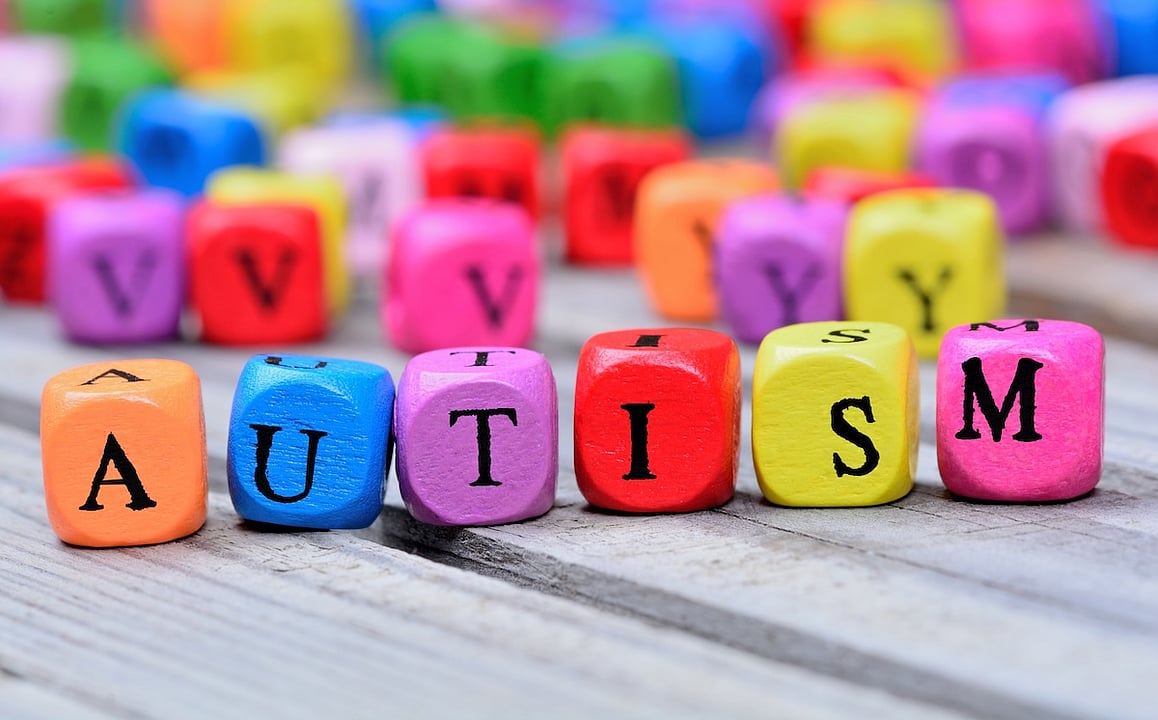
WEDNESDAY, Oct. 14, 2026 (HealthDay News) — Autism is a neurodevelopmental diagnosis that impacts communication and behavior and influences how individuals experience the world.
Early intervention and diagnosis are critical for the best outcomes, including acceptance and empowerment. But many families lack understanding of the diagnosis and access to resources in neurodiversity-affirming ways.
Currently, about 1 in 31 children are diagnosed with autism, according to the U.S. Centers for Disease Control and Prevention (CDC).
As the research and understanding of autism have expanded, the diagnosis now includes a broad range of characteristics that help us identify people with autism who would not have previously been diagnosed.
Autism Traits
Autism has long been considered a spectrum. The American Psychological Association (APA) describes autism as existing on a continuum, meaning that individuals will exhibit different abilities.
Some people can complete traditional schooling, hold jobs and complete activities of daily living with little to no support. Others may have intellectual disabilities and require higher levels of support across different domains.
Autistic people present in many different ways but some traits are common among people diagnosed with autism:
Differences in language
Differences in social communication
Repetitive behaviors
Special interests
Sensory processing differences
Security in routines
Differences In Language
Language differences can vary in extremity and timing. Some people may not babble or reach other language developmental milestones as expected during childhood. Others may use little to no spoken language, speak through a communication device or they may repeat words, phrases or sounds immediately after hearing them or after a delay (echolalia or scripting). The recounting of these phrases occurs with the same tone/intonation as it was originally said.
Psychologist Dr. Anna Neff of Neurodivergent Insights provides insight into echolalia, noting that while it is often misunderstood as being “meaningless,” it can serve important purposes for autistic people. Repetition of words or phrases can carry emotional meaning, may be used to facilitate social interactions or allow for self-regulation. Some people with autism may rehearse or map out what they are going to say in a social setting or in response to questions they are asked.
Many autistic people have robust vocabularies and exemplary communication skills. The differences can come in how or what they communicate.
Some individuals may use formal, precise or technical speech or communicate in a way that is direct and may be considered by others as “blunt.” The expected flow of a conversation may be different if the autistic person finds it difficult to choose a tone of voice, volume or speed of speech; judge pauses and turn-taking; or understand words that are not used literally (e.g., metaphors, sarcasm, irony, etc.).
Differences In Social Communication
A common myth is that people with autism do not want relationships and prefer to be socially isolated. While this may describe some people, many research studies have shown that autistic people seek out social interactions and connections.
The Autistic Self-Advocacy Network highlights some differences between autistic and non-autistic people that can affect social understanding and reciprocation.
Autistic people may not always understand the social “rules” created by non-autistic people or respond as anticipated. Eye contact is a commonly expected behavior that signifies respect and interest in others. While this behavior can be taught, it can be a complicated process if it does not feel natural.
Many autistic people report that the expectation to make eye contact often prevents them from being able to fully focus on the conversation or situation, causing them to miss out on key parts of the interaction. Autistic people may have a harder time reading the facial expressions or nonverbal body cues of others, which can lead to misinterpretations or misunderstandings.
Repetitive Behaviors
Repetitive behaviors are referred to as “stimming.” When people think about repetitive behaviors in autism, they typically think about body movements such as rocking, jumping, spinning, hand flapping or finger posturing (holding fingers in a tense or fixed position). Autistic people may also exhibit other repetitive behaviors related to different senses. The National Autistic Society lists other examples such as sight (such as watching spinning toys, patterns, repeated blinking); hearing (for example, listening to the same songs/videos/scenes/sound bites on repeat, echolalia); touch (such as hair twirling, scratching); and smell/taste (such as sniffing, licking or chewing objects).
Many of these repetitive behaviors are noticeable and can help others understand how an autistic person is feeling. For example, many people may flap their hands or jump up and down when feeling very excited. Some people may vocalize repeatedly or pull at their hair when feeling distressed or anxious. Autistic women and girls may stim in ways that are less noticeable or more socially accepted than autistic males. Neff explains that autistic women turn repetitive behaviors “inward” and may engage in behaviors that others attribute solely to anxiety such as picking their skin.
Special Interests
Special interests are subjects or activities that a person engages in very deeply. The National Autistic Society describes the difference between a hobby and special interest, noting that autistic people will spend significantly more time engaged in their interests than non-autistic people. These interests can be very intense and/or considered unusual by others. Autistic women and girls are more likely to have interests that are similar to non-autistic peers, but the intensity and in-depth knowledge are what can set them apart. Many autistic people describe having to hide their interests to avoid negative perceptions or feedback.
Sensory Processing Differences
Sensory processing in autism refers to how an autistic individual experiences their sensory environment. There are eight sensory systems, which include: sight (visual); sound (auditory); touch (tactile); taste (gustatory); smell (olfactory); movement (vestibular); body awareness (proprioception); and internal sensations (interoception). People may demonstrate hypersensitivity (input feels too intense) or hyposensitivity (input feels muted) to different stimuli.
Common sensory sensitivities include disliking specific noises and/or having a strong response to them; challenges with wearing different fabrics; and having a limited diet/food texture preference. People who require increased sensory input may enjoy deep pressure hugs, chewing on a specific texture or running their hands over soft fabric.
Feeling overwhelmed in their sensory environment can lead autistic people to experience a meltdown. These are not tantrums but rather a loss of emotional regulation, and they require different interventions, such as giving the individual space to calm down, reducing sensory input (for example, turning off noise, turning down lights) and using sensory equipment (such as weighted blankets, noise-cancelling headphones).
Security In Routines
The world can be unpredictable and having a routine or set order can help autistic people understand how to best navigate their day. This means that they may follow set routines and rituals (for example, doing tasks in the same order, using the same items, eating the same meals each day); want things to be in order (lining up belongings, organizing their collections, keeping schedule as planned); have detailed steps of an event or situation (for example, the order of events, times that things will happen); and like for information to be precise, accurate and make sense. These can all be ways of coping with stress and reducing anxiety.
Diagnosis And Treatment Options
The Diagnostic Statistical Manual-Fifth Edition (DSM-5), a standard reference for medical providers, describes levels of autism though many families misunderstand what these levels mean. They do not designate someone’s place on the autism spectrum. Rather, the levels refer to the amount of support autistic individuals need to navigate the world.
Autism does not have a “look,” and you cannot know someone is autistic at first glance. Many autistic people may engage in masking behaviors, which can make it even more difficult to know their true experiences. Masking refers to “the conscious or unconscious suppression of natural responses and adoption of alternatives across a range of domains including social interaction, sensory experience, cognition, movement and behavior.” People may subdue their autistic traits (stimming behaviors, special interests, etc.) and assume neurotypical or more socially acceptable behaviors.
Masking can also include observing other people to learn how to act or behave in different situations. While masking can be protective, given the stigma that exists in being autistic, this approach can lead to significantly negative outcomes, including burnout, anxiety, depression and increased rates of suicidality.
Early intervention is critical to understanding and accurately diagnosing an autistic child. Parents and caregivers should discuss any concerns regarding their child’s development with their child’s pediatrician and request referrals to developmental and behavioral pediatricians for ongoing evaluation.
Families can request referrals for therapeutic interventions such as speech therapy, occupational therapy or developmental therapy to address any differences.
For adults who think they may be autistic, it is most important to find psychologists or other mental health providers who understand the late-diagnosed adult experience as well as the gender differences that can exist.
More information
The University of Rochester Medicine has more on autism spectrum disorder.
About the expert
Dr. Alexandra Bernard received her doctorate in Clinical Psychology from the Chicago School of Professional Psychology in 2018 with a focus on children and adolescents. She completed an American Psychological Assocation-accredited internship at Kennedy Krieger Institute/Johns Hopkins School of Medicine, with rotations in pediatric psychology and pediatric neuropsychology. Dr. Bernard currently works in the Developmental and Behavioral Pediatrics Clinic at UI Health providing comprehensive bilingual developmental and psychological evaluations for children, adolescents and young adults in Chicago.
Her primary interests are diagnosing autism, ADHD, intellectual disabilities and learning disabilities. She emphasizes the importance of educating patients and their families on the complexities of these diagnoses and transition planning into adulthood, particularly for Spanish-speaking families.
Back

The news stories provided in Health News and our Health-E News Newsletter are a service of the nationally syndicated HealthDay® news and information company. Stories refer to national trends and breaking health news, and are not necessarily indicative of or always supported by our facility and providers. This information is provided for informational and educational purposes only, and is not intended to be a substitute for medical advice, diagnosis, or treatment.



