
By Ellyn Vohnoutka HealthDay Reporter
TUESDAY, Sept. 15, 2026 (HealthDay News) — Federal health officials are reporting a nationwide rise in the number of people exposed to rabid or possibly rabid animals.
They're urging anyone who has been bitten or scratched to seek care right away.
The U.S. Centers for Disease Control and Prevention (CDC) issued a health advisory Sept. 10 after multiple states reported local increases in rabies exposures since July.
Some involved known rabies carriers, including wild animals. Others involved animals in which the virus is rarely reported.
The agency fielded 17% more rabies-related inquiries in July and August than in the same two months in 2025.
As of Sept. 2, pharmacy data showed use of the two rabies vaccines licensed in the United States up an estimated 33% from a year earlier, and use of the two rabies immune globulin products up 76%.
There is no shortage of either product, the CDC said.
Rabies is a viral disease that spreads to people through bites, scratches or contact with an infected animal's saliva. It attacks the central nervous system and is almost always fatal once symptoms appear.
Early symptoms may include weakness, fever, headache and discomfort, prickling or itching at the location of the bite. Treatment given before symptoms start prevents nearly every case.
Treatment depends on whether a person has been vaccinated before.
Someone who has never had the vaccine gets one dose of immune globulin, placed in and around the wound, plus four vaccine doses over two weeks, on days 0, 3, 7 and 14. The vaccine is given in the arm for adults or the thigh for young children.
Someone already vaccinated gets two doses, on days 0 and 3, and no immune globulin.
People with weakened immune systems may need a fifth dose and a blood test confirming the shots worked.
Not every bite calls for shots.
Health officials weigh how likely rabies is in that animal in that area, how the contact happened, whether the animal seemed sick and how bad the wound is. Shots usually aren't needed if the animal can be watched for 10 days, tests negative or officials decide the contact posed no risk.
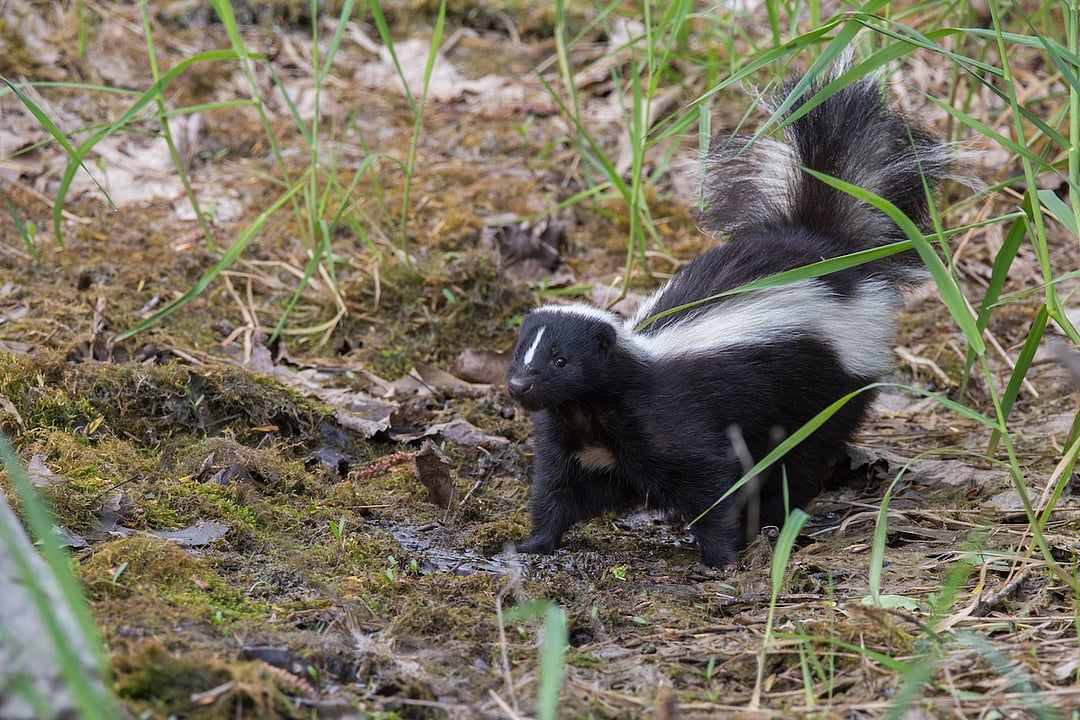
Wildlife accounts for more than 90% of the roughly 4,000 animal rabies cases reported in the United States each year, mostly bats, raccoons, skunks and foxes. Rabid bats have been found in every state except Hawaii.
About 1.4 million Americans seek medical care after animal contact each year and roughly 100,000 receive rabies shots. Fewer than 10 people die.
The CDC advises keeping away from wildlife, keeping pets current on rabies vaccines and washing any bite or scratch with soap and water for 15 minutes.
Tell your provider what kind of animal it was and whether it acted strangely. If the animal belongs to someone else, ask for proof of vaccination.
More information
Visit the U.S. Centers for Disease Control and Prevention for more information about rabies.
SOURCES: U.S. Centers for Disease Control and Prevention, health advisory, Sept. 10, 2026; U.S. Centers for Disease Control and Prevention, Sept. 30, 2025
Back

The news stories provided in Health News and our Health-E News Newsletter are a service of the nationally syndicated HealthDay® news and information company. Stories refer to national trends and breaking health news, and are not necessarily indicative of or always supported by our facility and providers. This information is provided for informational and educational purposes only, and is not intended to be a substitute for medical advice, diagnosis, or treatment.



