
By HealthDay Staff HealthDay Reporter
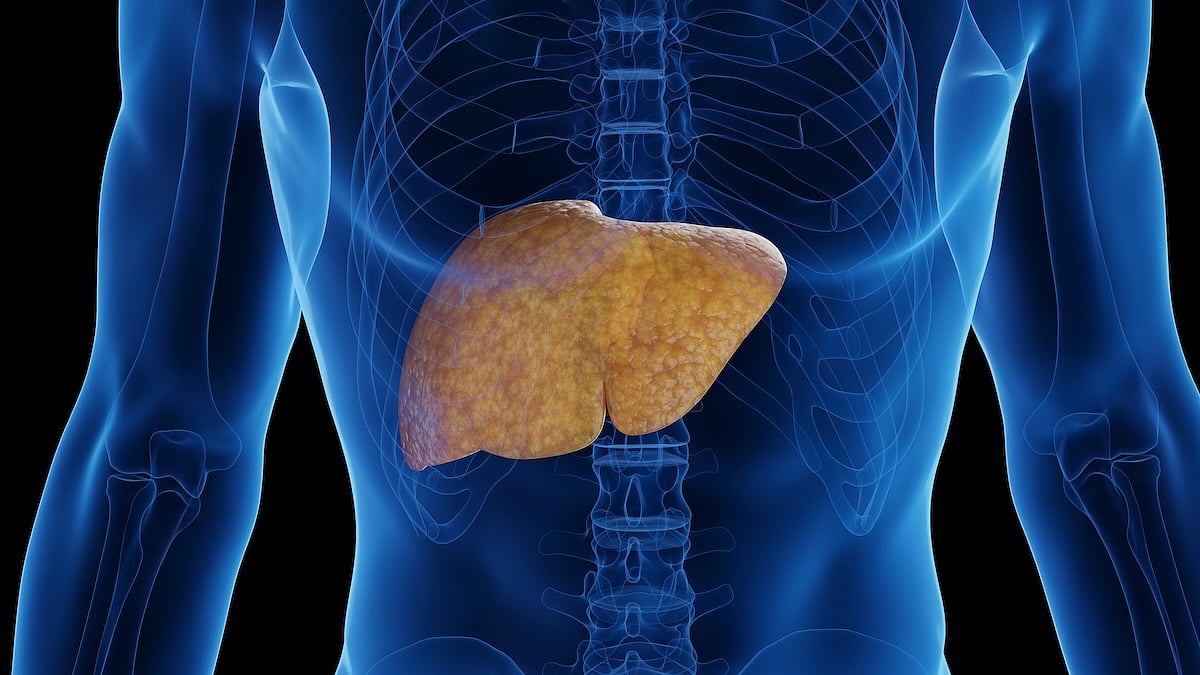
FRIDAY, Oct. 9, 2026 (HealthDay News) — That late-night snack may be doing more than affecting your waistline — it could be hurting your liver health.
"A few studies have hinted at this idea but this is among the first long-term analyses to explicitly draw the connection to fatty liver disease," lead author Dr. Robert Wilechansky said in a news release. He's a hepatologist at Oregon Health & Science University in Portland who specializes in liver transplantation.
Researchers analyzed diet and lifestyle data from nearly 200,000 healthy people who were monitored for about 16 years.
Those who reported eating after dinner or after bedtime had a 36% higher risk of developing non-alcoholic fatty liver disease and a 28% higher risk of cirrhosis.
The results were consistent even after adjusting for factors like age, diabetes status, physical activity and body mass index (BMI), an estimate of body fat based on height and weight.
The liver plays a key role in processing nutrients. Late-night eating also increases the risk of obesity and insulin sensitivity, which are central drivers of fatty liver disease, now known as metabolic dysfunction-associated steatotic liver disease (MASLD).
"The big takeaway here is that confining your calorie intake to several hours before bedtime might be beneficial," Wilechansky said.
This study was observational and relied on self-reported data, so it can’t prove cause and effect.
Researchers are now recruiting for a new study that will directly monitor participants' eating habits to see whether eating earlier improves liver health.
The findings were published in the journal Clinical Gastroenterology and Hepatology.
More information
The Mayo Clinic has more on fatty liver disease (MASLD).
SOURCE: HealthDay TV, Oct. 9, 2026
Back

The news stories provided in Health News and our Health-E News Newsletter are a service of the nationally syndicated HealthDay® news and information company. Stories refer to national trends and breaking health news, and are not necessarily indicative of or always supported by our facility and providers. This information is provided for informational and educational purposes only, and is not intended to be a substitute for medical advice, diagnosis, or treatment.



