
By Ernie Mundell HealthDay Reporter
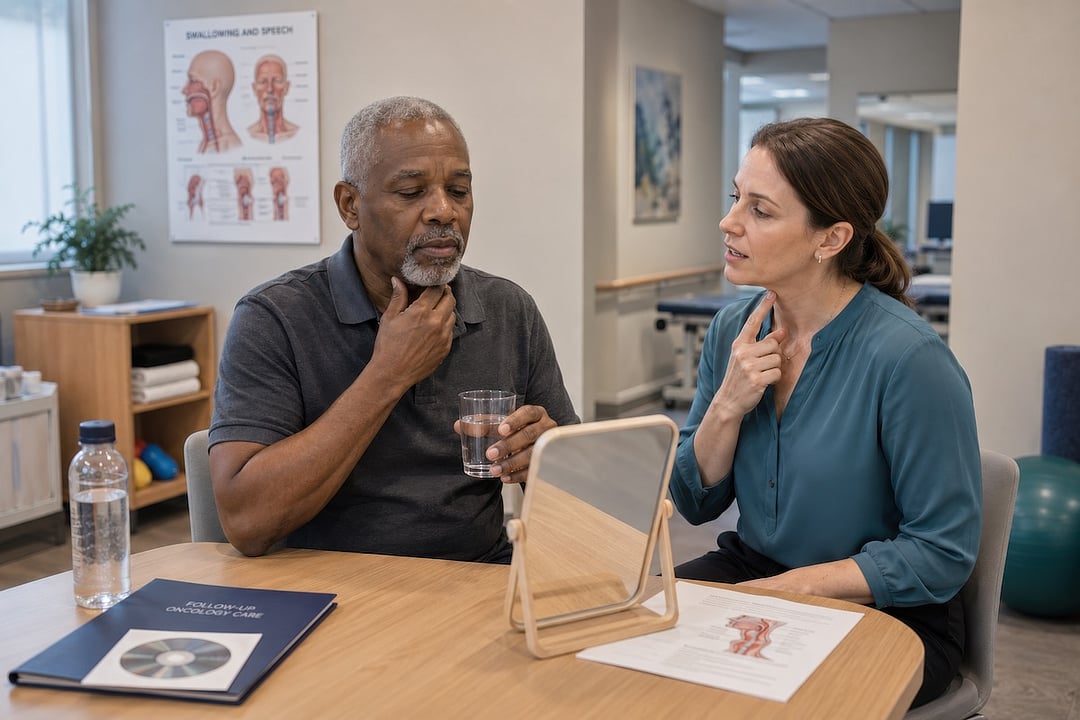
MONDAY, Nov. 2, 2026 (HealthDay News) — A broken hip, a stroke or major surgery can leave you or someone you love needing weeks of therapy to walk, dress or speak again.
Many patients aren’t ready to fully care for themselves when they leave the hospital. Physical rehab can take place in several settings and families often have to choose among them quickly.
Rehab decisions should be a team effort, said Kerri Fitzgerald, executive director of the Hackensack Meridian Johnson Rehabilitation Institute at Ocean University Medical Center in Brick, New Jersey.
“Ideally, following initial treatment or assessment of your loved one’s injury or condition, the health care team will recommend whether outpatient (home and/or therapy location) or inpatient (hospital or 24/7 acute facility setting) therapy is the most beneficial and will provide a referral,” Fitzgerald said in an institute news release.
Whatever the setting, the program should be built around the patient and account for other health problems, she said. Families should also check that the facility is safe, easy to get around in and open to visits from loved ones.
David Michael, an occupational therapist at Brown University Health’s Newport Hospital in Rhode Island, laid out how the main options differ in an article for the health system.
Inpatient Rehabilitation Facilities
Inpatient rehab is the most intensive option, built for patients who still need regular medical attention while they work toward going home. Programs are led by physiatrists, doctors who specialize in physical medicine and rehabilitation.
Therapy fills much of the day: at least three hours, five or more days a week, split among physical therapy, occupational therapy (which focuses on everyday tasks like bathing and dressing) and speech therapy. Sessions are almost always one-on-one, Michael said.
A doctor checks on patients daily, and specialists can be consulted when needed. The care team also meets every week to adjust each patient’s plan.
When comparing inpatient programs, Fitzgerald recommends looking for a broad team that includes rehab-certified nurses, therapists, dietitians and social workers.
Ideally, these experts “collaborate on a personalized patient plan to achieve the best possible outcomes,” she said.
Families should also ask what therapy equipment is available on site and whether the facility is connected to a hospital, which means emergency and medical care are available around the clock.
It’s also worth confirming the center can meet a patient’s “cultural and personal needs,” Fitzgerald said.
Skilled Nursing Facilities
Skilled nursing facilities are a step down in intensity. Patients typically get one to two hours of therapy a day, about five days a week, and some of it may take place in a group.
Doctors visit less often than in a rehab hospital, sometimes only weekly, Michael said. A sudden medical problem may mean a trip to the ER and possibly another hospital stay.
What these facilities do provide is steady, hands-on nursing care. Staff help patients get around and handle personal care, and they can manage medications, wounds and IV lines.
Home Health Care
Recovering at home can be a relief after a hospital stay, but it also offers the least professional, hands-on care.
Therapists usually come to the house a couple of times a week, so improvement takes longer, Michael said. Visits may not happen daily, and timing can shift from week to week.
Home recovery works best for patients who can get around their home safely, stairs included, handle basic self-care and already have needed equipment, like a shower chair, in place. Those who can’t will need someone with them at all times, whether a relative or a hired caregiver.
Much of the day-to-day work falls on family. Caregivers may need to give medications and tend to wounds, with a nurse stopping by roughly once a week.
Outpatient Therapy
Patients who are home and able to travel may continue therapy at an outpatient clinic.
Fitzgerald suggests asking these questions before signing up:
Is therapy one-on-one, in a group or both, and how often are sessions held?
Are follow-up “refresher” sessions offered after the main course of therapy ends?
Are “neurological interventions, balance retraining, visual and cognitive therapies” available on site?
Will patients get a home exercise program to keep their gains after therapy wraps up?
Matching Care To The Patient
Not every patient qualifies for a rehab program, Fitzgerald said. Some have health conditions that make demanding therapy unsafe.
Motivation matters too. Patients should show they’re ready and willing to take part in rehab so they can get the most out of it, she said.
On the other hand, people recovering from a major event like a stroke or brain injury often need more therapy time than home care can offer, Michael said.
The same goes for patients whose physical or mental condition makes it unsafe to leave them alone, or who need more help than family can safely give.
For them, a skilled nursing facility or inpatient rehab is usually a better fit.
Michael encourages families to bring their questions to the hospital team before agreeing to where a patient goes next, even if the process feels hurried.
“Rehabilitation may take several weeks to months but is an important investment in the recovery process,” he wrote.
More information
MedlinePlus has more information on rehabilitation.
SOURCES: Hackensack Meridian Johnson Rehabilitation Institute, news release, Oct. 10, 2024; Brown University Health, Aug. 22, 2023
Back

The news stories provided in Health News and our Health-E News Newsletter are a service of the nationally syndicated HealthDay® news and information company. Stories refer to national trends and breaking health news, and are not necessarily indicative of or always supported by our facility and providers. This information is provided for informational and educational purposes only, and is not intended to be a substitute for medical advice, diagnosis, or treatment.



