
By Dennis Thompson HealthDay Reporter
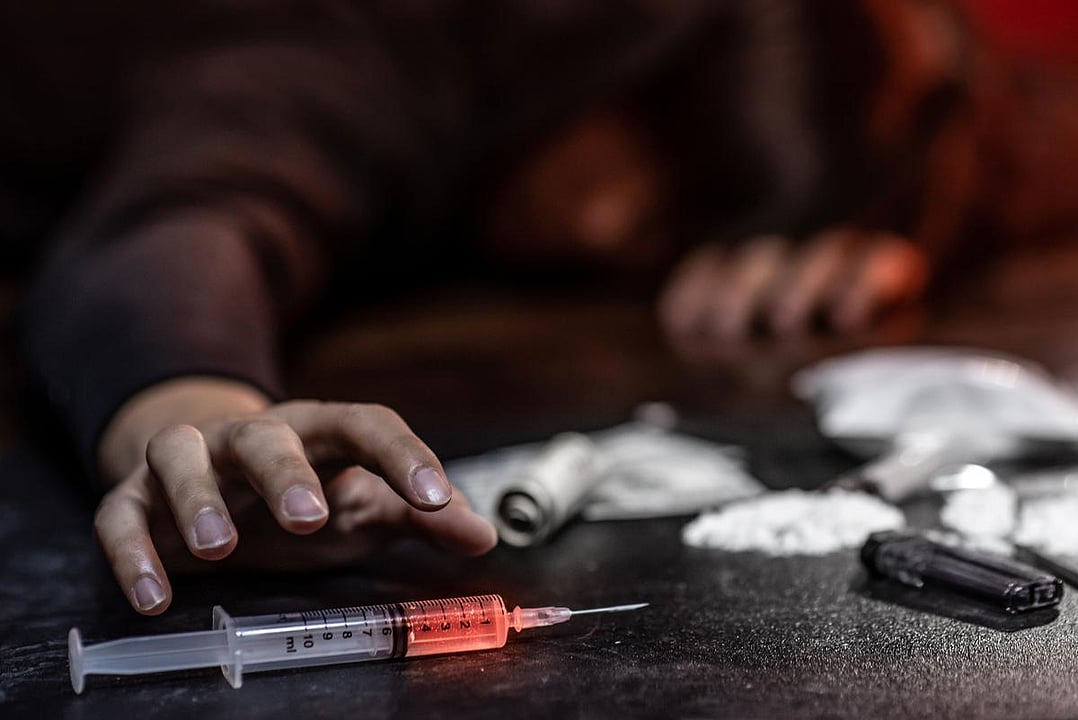
THURSDAY, Oct. 29, 2026 (HealthDay News) — A decline in life-threatening heart infections in the United States suggests fewer people may be injecting illicit drugs, a new study finds.
These infections are called infective endocarditis, and 2022 data shows that the rate of such cases caused by drug use declined by about 18% compared to 2020 numbers, according to an Oct. 27 report in the journal Clinical Infectious Diseases.
But researchers noted a disturbing trend within that decline — greater numbers of drug users who do experience heart infections have gotten them through the injection of stimulant drugs, such as methamphetamine.
Up to now, opioids historically accounted for a large share of these heart infections, noted lead researcher Dr. Paul Christine. He's an assistant professor of medicine at the University of Colorado Anschutz.
“After years of increasing hospitalizations, drug use-associated endocarditis has been decreasing since 2020, and the underlying drug use patterns have shifted to include more stimulants,” the study concluded.
Addicts injecting drugs with dirty needles can introduce bacteria or other germs into their bloodstream, Christine's group explained. That could potentially cause an infection within the inner lining or valves of the heart, leading to death or permanent heart damage.
For the new study, researchers used federal hospitalization data to track the number of people who hospitalized with infective endocarditis caused by drug use.
More than 118,000 such infections occurred between 2016 and 2022, peaking in 2020 at the height of the COVID-19 pandemic, researchers found. That year about 18,700 drug-linked heart infections were charted, compared to about 15,300 in 2022.
During that period, results show the percentage of cases involving opioid use decreased from more than 49% to about 40%.
But cases involving both opioids and stimulants increased from 23% to 29%, and stimulants alone from 15% to 18%, researchers found. That represents a total increase in stimulant-linked cases from 37% in 2016 to nearly 47% in 2022.
The overall decline in heart infections could be explained by expanded access to addiction treatment, as well as harm-reduction services like access to clean syringes and education about safer drug use practices, researchers said.
It also is possible that people are shifting from injecting drugs to smoking them, thus lowering their risk of a serious infection, researchers noted.
“I believe the problem isn't simply that stimulants are becoming more prominent,” Christine said in a university news release. “It's that the healthcare system currently has fewer effective tools to treat stimulant use disorder than opioid use disorder.”
Christine and his team next plan to explore improved addiction treatment for people who use stimulants, and to look into whether there has been a decline in other serious infections related to drug use, including skin, soft tissue and bone infections.
More information
The American Heart Association has more on infective endocarditis.
SOURCE: University of Colorado Anschutz, news release, Oct. 27, 2026
Back

The news stories provided in Health News and our Health-E News Newsletter are a service of the nationally syndicated HealthDay® news and information company. Stories refer to national trends and breaking health news, and are not necessarily indicative of or always supported by our facility and providers. This information is provided for informational and educational purposes only, and is not intended to be a substitute for medical advice, diagnosis, or treatment.



