
By Dennis Thompson HealthDay Reporter
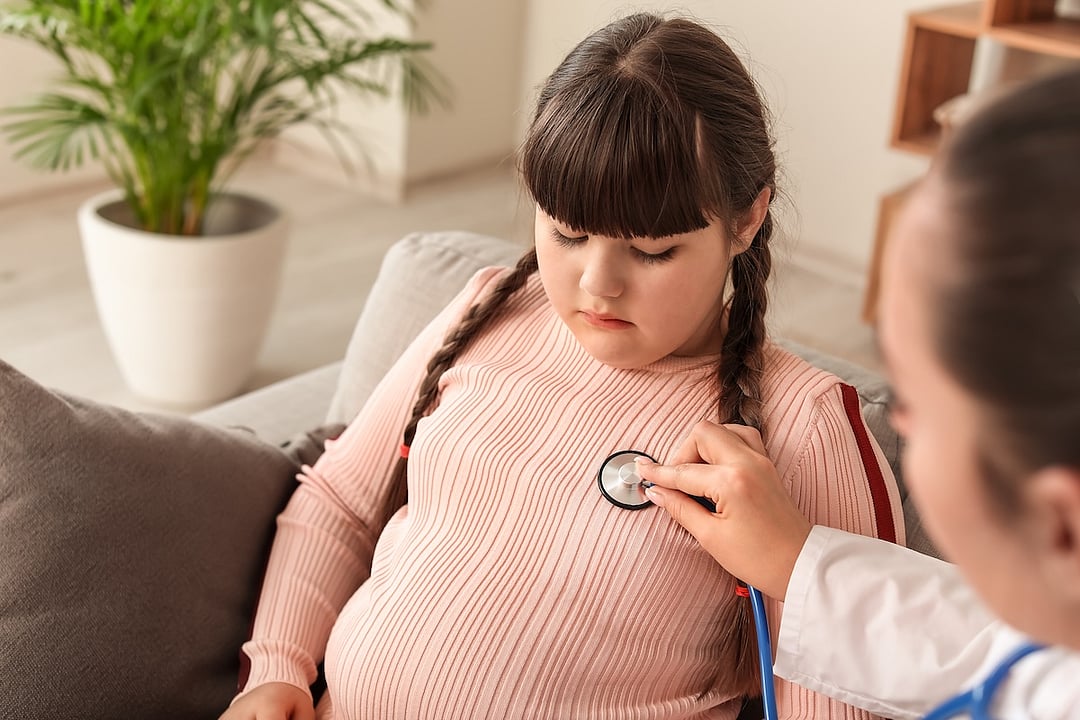
WEDNESDAY, Aug. 5, 2026 (HealthDay News) — Girls with childhood obesity could struggle with fertility later in life, a new study says.
Women who were obese as children were less likely to give birth as adults, researchers reported Aug. 4 in JAMA Network Open. The risk increased with age.
“Notably, we observed associations emerging as early as ages 25 to 29 years … By ages 30 to 34 and 35 to 45 years, when infertility care is more commonly sought, these associations were even more pronounced," wrote the team led by Jennifer Baker, a research group leader at Frederiksberg Hospital in Denmark.
For the study, researchers tracked more than 60,000 Danish women born between 1950 and 1989. The team compared their childhood body mass index (BMI) to birth rates as adults. BMI is an estimate of body fat based on height and weight.
Results showed that children with high BMIs were 22% less likely to give birth in their late 20s. Between ages 35 and 45, they were 44% less likely to give birth.
“These findings suggest that childhood body size may be associated with later reproductive outcomes in women, highlighting the importance of a life-course approach to investigate women’s reproductive health,” researchers concluded.
The study did not find that high childhood BMI was linked to infertility, however.
"While the study doesn't prove that childhood obesity causes infertility, it really does strongly suggest that maintaining a healthy weight during childhood may influence reproductive potential decades later," said Dr. Evelina Grayver, who reviewed the findings. She is the director of women's heart health at Northwell Health in Manhasset, New York.
Grayver also said the study demonstrated that the older the woman is and the longer childhood obesity extends into adulthood, the more fertility is affected.
Obesity causes low-grade inflammation and can contribute to ovary dysfunction. Both could make it harder to become pregnant or maintain a pregnancy, she added.
“What is very important about this study is that it really does suggest that childhood obesity should be viewed as a life course health issue, with implications extending beyond cardiovascular disease and diabetes to reproductive health, showing the importance of a truly integrative approach to medicine and to healthcare,” Grayver said.
More information
The U.S. Centers for Disease Control and Prevention has more on preventing childhood obesity.
SOURCES: JAMA Network Open, Aug. 4, 2026; Dr. Evelina Grayver, director, Women's Heart Health, Northwell Health, Manhasset, New York
Back

The news stories provided in Health News and our Health-E News Newsletter are a service of the nationally syndicated HealthDay® news and information company. Stories refer to national trends and breaking health news, and are not necessarily indicative of or always supported by our facility and providers. This information is provided for informational and educational purposes only, and is not intended to be a substitute for medical advice, diagnosis, or treatment.



