
By I. Edwards HealthDay Reporter
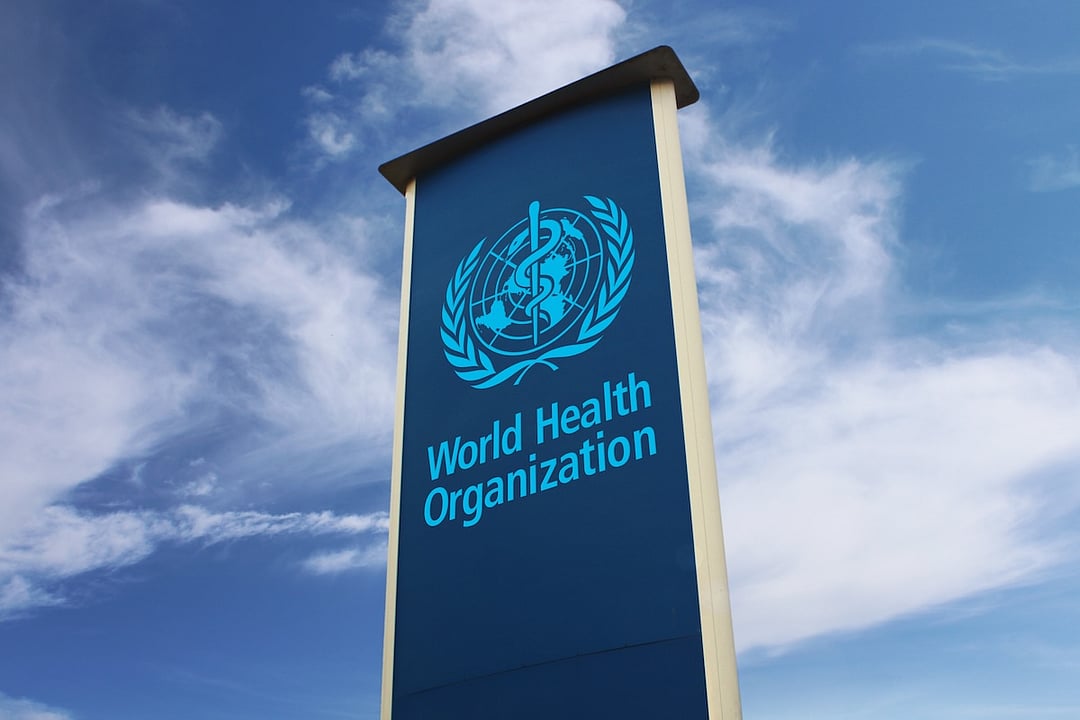
MONDAY, Jan. 26, 2026 (HealthDay News) — The United States has officially pulled out of the World Health Organization (WHO), a year after President Donald Trump announced plans to leave the global health group.
The Trump administration said the decision was based on what it called WHO’s poor handling of COVID-19, lack of adopting changes and political pressure from some members.
Since helping create the organization in 1948, the U.S. had been one of WHO’s most powerful members. It was also its largest financial supporter.
“Withdrawing from the World Health Organization is scientifically reckless,” said Dr. Ronald Nahass, president of the Infectious Diseases Society of America.
“It fails to acknowledge the fundamental natural history of infectious diseases. Global cooperation is not a luxury; it is a biological necessity," Nahass added.
The U.S. Department of Health and Human Services (HHS) said the U.S. will instead take part in global health efforts through “existing and new engagements directly with other countries, the private sector, nongovernmental organizations and faith-based entities."
Officials say America will work directly with other countries and groups using existing programs through agencies like the U.S. Centers for Disease Control and Prevention (CDC), the National Institutes of Health (NIH) and the U.S. Food and Drug Administration (FDA).
“I just want to stress the point that we are not withdrawing from being a leader on global health,” a senior HHS official told The Washington Post.
All U.S. staff working with WHO offices have been recalled, and nearly $280 million in U.S. funding has been stopped, according to a person familiar with the matter.
WHO says the U.S. must settle some financial commitments before the withdrawal is finished. Its executive board plans to review the matter in February.
Public health experts warn the move could hurt disease tracking and response efforts.
What's more, U.S. Health Secretary Robert F. Kennedy Jr. has also said the U.S. will stop funding Gavi, a group that helps provide vaccines in lower-income countries. Meanwhile, staffing cuts have reduced the CDC’s global health operations.
“It’s almost laughable that the Trump administration thinks they can lead in global health,” Lawrence Gostin, a Georgetown University law professor who works with WHO programs, told The Post. “They’ve decimated the global health capacities of the CDC. They’ve slashed global health funding around the world.”
It’s also unclear how the withdrawal will affect major health meetings. Next month, WHO plans to gather flu experts to decide which virus strains should be included in next season’s vaccine, a process that guides production months in advance.
U.S. scientists helped with that effort last year. HHS officials said talks are ongoing about whether CDC experts will be allowed to join the next meeting.
More information
Learn more about what the World Health Organization does.
SOURCE: The Washington Post, Jan. 22, 2026
Back

The news stories provided in Health News and our Health-E News Newsletter are a service of the nationally syndicated HealthDay® news and information company. Stories refer to national trends and breaking health news, and are not necessarily indicative of or always supported by our facility and providers. This information is provided for informational and educational purposes only, and is not intended to be a substitute for medical advice, diagnosis, or treatment.



