
By Dennis Thompson HealthDay Reporter
FRIDAY, Feb. 13, 2026 (HealthDay News) — Rural cancer patients often travel long distances to seek treatment at major medical centers, but new research suggests those journeys might not be necessary.
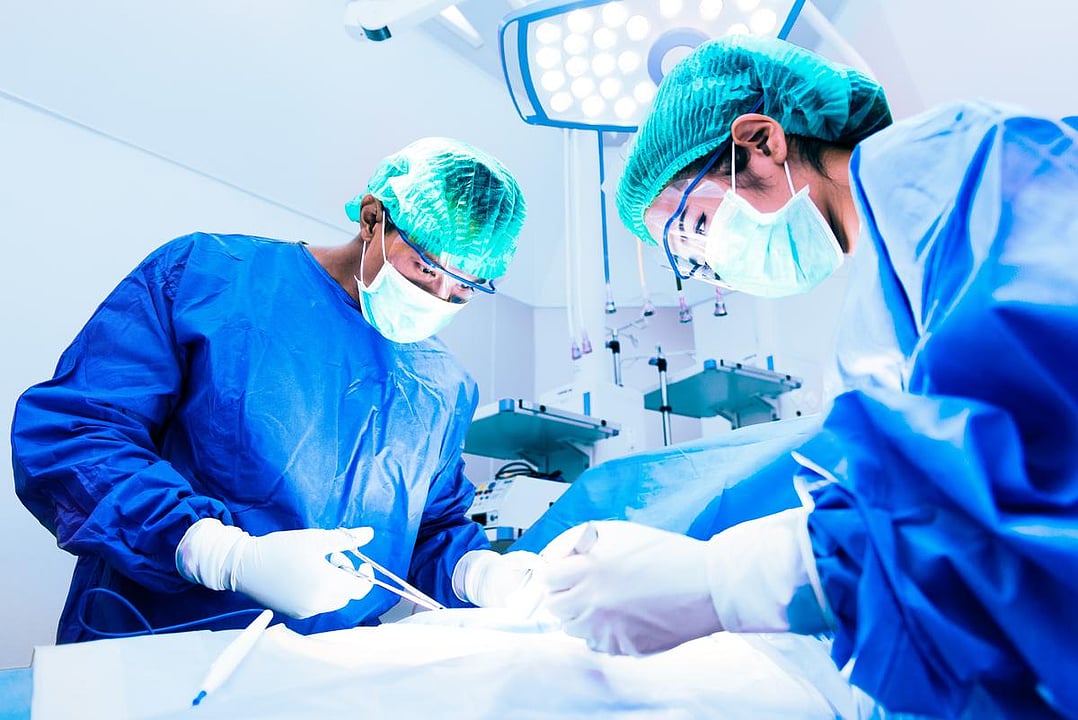
Lung or colon cancer patients treated at a local hospital had similar death rates and surgical outcomes to those who traveled to big-city medical centers for care, researchers reported Feb. 11 in the Journal of the American College of Surgeons.
The results provide promising preliminary evidence that complex surgery for some cancers can be performed just as well at smaller community hospitals, researchers said.
“Cancer patients in rural areas often have a harder time accessing high-quality, multidisciplinary cancer care,” said lead researcher Dr. Michael Egger, an associate professor of surgery at the University of Louisville in Kentucky.
“But traveling long distances for surgery is not practical for all patients, nor is it sustainable for high-volume urban facilities already at capacity,” he said in a news release.
For the new study, researchers used federal data to analyze the outcomes of nearly 10,400 rural residents with colon cancer and more than 6,000 with lung cancer. All patients were 65 or older and covered by Medicare.
More than half (54%) of colon cancer patients and a quarter of lung cancer patients underwent surgery at a local hospital, researchers found.
Death rates after three months were about 5% for lung cancer patients and 7% for colon cancer patients, regardless of whether they were treated at a local hospital or an urban medical center, results showed.
Similar proportions of patients also landed back in the hospital following their surgery – about 10% of lung cancer patients and 14% of colon cancer patients.
But those treated at urban hospitals had to travel much farther for their care.
Colon cancer patients traveled about three times farther, about 33 additional miles and 35 more minutes of travel. Lung cancer patients traveled nearly twice as far, with 26 additional miles and 23 more minutes.
Some rural patients still might need to travel to get the cancer care they need, but researchers said their findings show that local hospitals can provide solid surgical care for some cancers.
“Long travel times and costs associated with travel can be a significant burden for many cancer patients living in rural communities,” Egger said. “As hospital systems regionalize care, it is going to be important to determine which patients can receive care more locally and who may benefit from receiving more centralized care.”
The team next plans to analyze the rural and urban hospitals that achieved the best patient outcomes to see what made them better.
“Some of our future research will examine what we can learn from high-performing facilities to improve cancer care for rural patients,” Egger said.
Researchers also plan to examine whether rural hospitals provide other forms of cancer care at the same level as urban facilities.
“Surgery is just one important part of a cancer patient’s continuum of care, which may also include chemotherapy, radiation treatment or other therapies,” Egger said.
More information
The National Cancer Institute has more on surgery to treat cancer.
SOURCE: American College of Surgeons, news release, Feb. 11, 2026
Back

The news stories provided in Health News and our Health-E News Newsletter are a service of the nationally syndicated HealthDay® news and information company. Stories refer to national trends and breaking health news, and are not necessarily indicative of or always supported by our facility and providers. This information is provided for informational and educational purposes only, and is not intended to be a substitute for medical advice, diagnosis, or treatment.



