
By Carole Tanzer Miller HealthDay Reporter
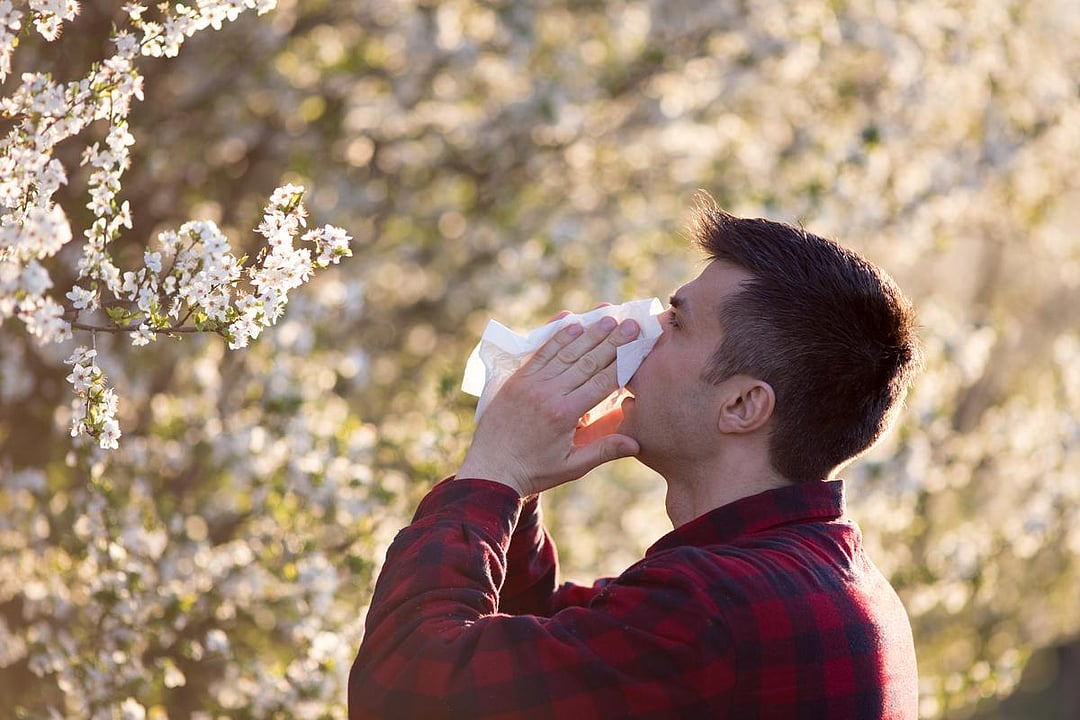
THURSDAY, March 5, 2026 (HealthDay News) — If you live in parts of the West and South, you may already be reaching for your allergy meds.
Tree pollen is ramping up in those regions, according to AccuWeather.com, which issued its 2026 pollen forecast on Wednesday.
"Temperature, rainfall, wind and springtime frosts all influence how much pollen ends up in the air," it said.
Warm ground temperatures prompt plants and trees to pump the stuff out. And even if the onslaught hasn’t started just yet in your yard, wind can bring you pollen from elsewhere, AccuWeather said.
While a steady rain can clear the air for a time, pollen counts can spike when it dries out, days later. Even frost plays a role, briefly suppressing pollen, only to rev into high gear as spring progresses.
Though you may not yet be feeling the effects, a Kaiser-Permanente allergist said it’s not too soon to prepare for pollen.
"Keep in mind that allergy season tends to be longer and starts earlier than in decades past," Dr. Collette Spalding of Mid-Atlantic Permanente Medical Group in Washington, D.C., recently wrote on in an online primer.
"Getting a jump start on your allergy prep can truly help you have a more enjoyable spring," she added.
Her advice:
Don’t wait: If you rely on steroid nasal sprays like Nasonex or Flonase, start them before the date when your allergy symptoms usually start. A week or two is a good rule of thumb, because these sprays often need time to start helping.
Track pollen levels: Many websites, including AccuWeather, offer local pollen forecasts. Checking daily can help you decide when to venture out and when to stay inside. Levels are usually lower before daybreak and begin to drop in late afternoon.
Keep pollen out: At home or in your car, close windows and doors. Use fans or air conditioning. Remove shoes at the doorway, wash clothes and take a shower after spending time outside.
Protect yourself: Wrap-around sunglasses can help prevent itchy watery eyes. Those leftover pandemic-era masks can help you breathe easier when you’re outdoors.
Rinse or spray: Wash pollen from your nose with a saline sinus spray or rinse.
"If you consistently use allergy medications and try these other tips and yet still suffer," Spalding advised, "make an appointment with an allergist."
An allergist can identify what triggers your reaction and treat you as needed. Be aware, she added, that allergy shots don’t provide immediate relief. They must be started long before sneezin’ season begins.
More information
Read the 2026 U.S. allergy forecast at Accuweather.
SOURCES: Mid-Atlantic Permanente Medical Group, Feb. 27, 2024; Accuweather.com, March 4, 2026
Back

The news stories provided in Health News and our Health-E News Newsletter are a service of the nationally syndicated HealthDay® news and information company. Stories refer to national trends and breaking health news, and are not necessarily indicative of or always supported by our facility and providers. This information is provided for informational and educational purposes only, and is not intended to be a substitute for medical advice, diagnosis, or treatment.



