
By Dennis Thompson HealthDay Reporter
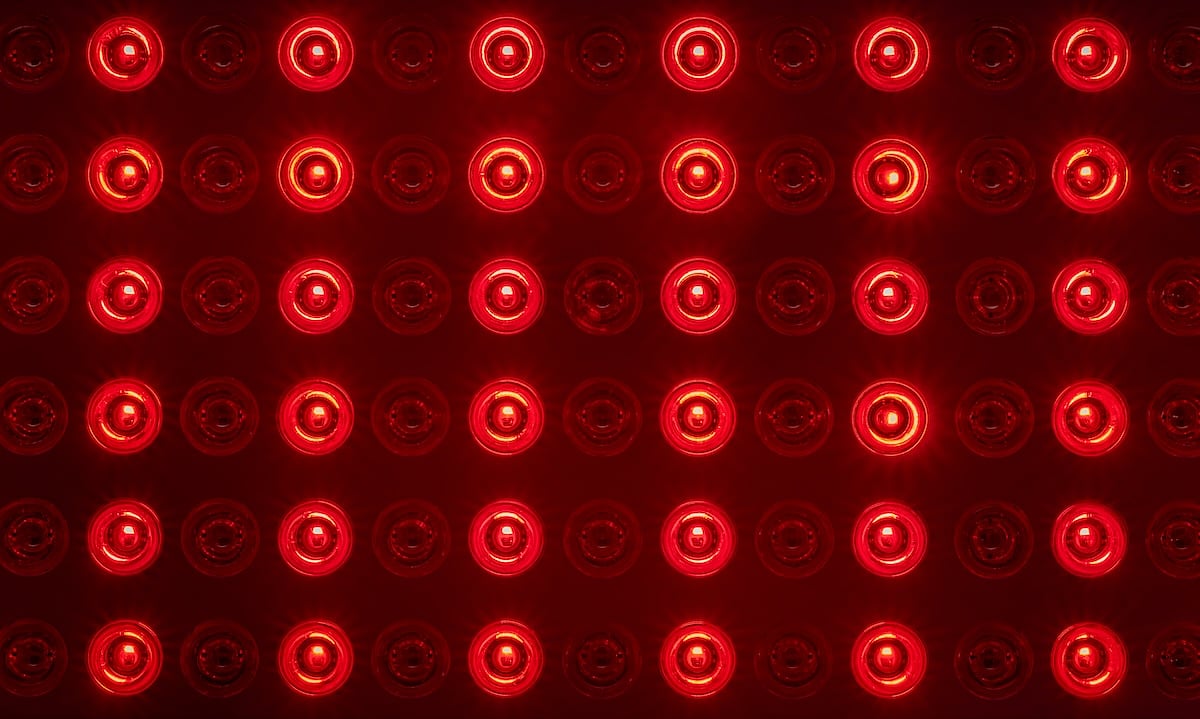
WEDNESDAY, Jan. 28, 2026 (HealthDay News) — Red light therapy might be able to protect football players from brain damage caused by frequent head impacts, a new small-scale study says.
College football players treated with red light therapy over the course of a season wound up with much less brain inflammation than others provided a placebo treatment, researchers recently reported in the Journal of Neurotrauma.
In fact, the study found that the group receiving red light therapy appeared protected from inflammation throughout almost all the regions of the brain.
“My first reaction was, ‘There’s no way this can be real,’ ” lead investigator Hannah Lindsey, a research associate in neurology at University of Utah Health, said in a news release. “That’s how striking it was.”
Red light therapy involves exposing a person to powerful near-infrared light, researchers said in background notes.
The therapy is thought to activate mitochondria, the “power plant” within the body’s cells, thus stimulating cells to work more efficiently.
For this study, researchers recruited 26 college players and assigned half to receive red light therapy during their football season.
Those players wore a red-light-emitting headset three times a week for 20 minutes a session throughout the 16-week season. The other half wore an identical device that did not produce light, to serve as a placebo group.
Sufficiently powerful red light can make it through the skull and into the outer surface of the brain, potentially stimulating the cells there, researchers said.
Brain inflammation increased over the course of the season for players receiving the placebo treatment, researchers said.
Brain MRI scans taken at the end of the season showed significantly more signs of inflammation than scans taken at the beginning.
But inflammation did not increase in the brains of players regularly using red light treatment, results showed.
By damping down this inflammation, red light therapy could potentially protect football players from chronic traumatic encephalopathy (CTE), researchers said.
CTE is caused by repetitive head impacts, resulting in brain damage with symptoms ranging from confusion to memory loss to dementia, researchers said.
“We’ve been trying to figure out how to make sports safer, so that our kids, friends and family can participate in sports safely for the long term while they’re involved in activities that give them happiness and joy,” researcher Carrie Esopenko, an associate professor of neurology at the University of Utah, said in a news release. “And this really feels like part of the hope for protecting the brain that we’ve been searching for.”
However, researchers acknowledged that the sample size was too small to provide definite proof of the benefits of red light therapy.
The team now is starting a U.S. Department of Defense-funded clinical trial that will involve 300 people who have persistent symptoms from traumatic brain injury or concussion.
The study will focus on first responders, military veterans and active duty service members.
More information
The Cleveland Clinic has more on red light therapy.
SOURCE: University of Utah, news release, Jan. 21, 2026
Back

The news stories provided in Health News and our Health-E News Newsletter are a service of the nationally syndicated HealthDay® news and information company. Stories refer to national trends and breaking health news, and are not necessarily indicative of or always supported by our facility and providers. This information is provided for informational and educational purposes only, and is not intended to be a substitute for medical advice, diagnosis, or treatment.



