
By I. Edwards HealthDay Reporter
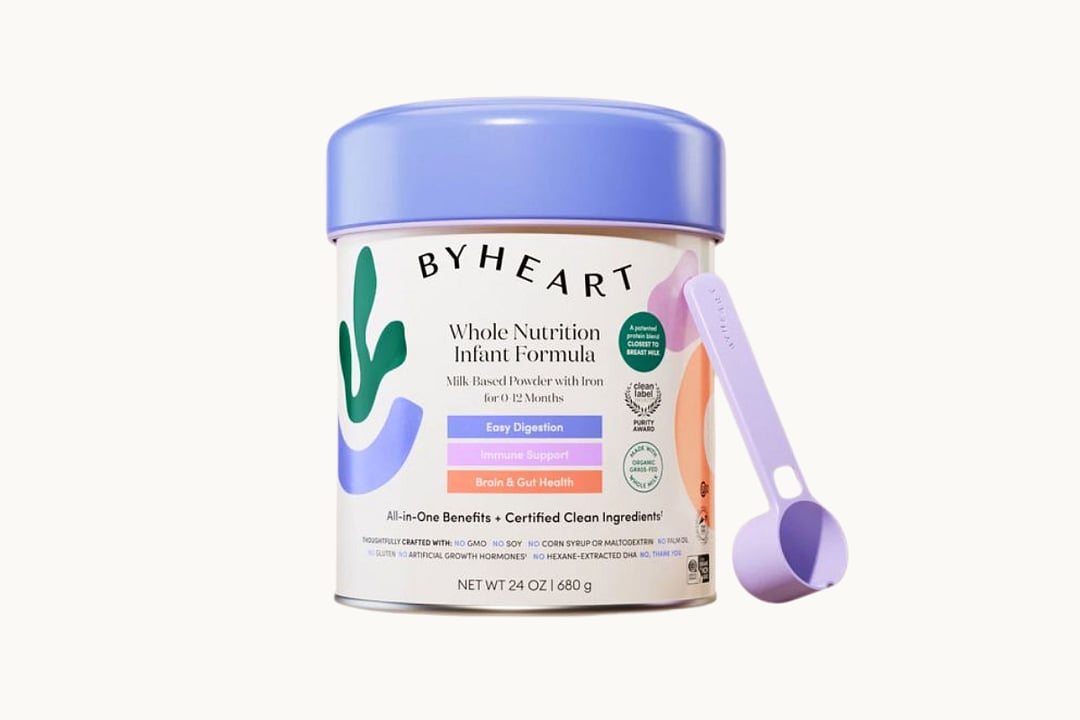
MONDAY, Jan. 26 2026 (HealthDay News) — Federal health officials say a milk ingredient used in ByHeart infant formula may be tied to a botulism outbreak that has sickened dozens of babies across the U.S.
On Friday, the U.S. Food and Drug Administration (FDA) reported finding bacteria that causes infant botulism in two samples connected to the formula.
One came from an unopened can of ByHeart formula. The other was from organic whole milk powder used to make the product.
The agency said both samples matched bacteria found in a sick baby.
FDA testing also showed contamination in a separate batch of whole milk powder supplied to ByHeart. It matched bacteria found in a finished formula product.
Still, officials stressed the results are not conclusive.
The investigation continues, in order “to determine the source of the contamination,” the agency said.
ByHeart said the findings suggest "that we are significantly closer to determining the root cause of the contamination.”
Neither the FDA nor ByHeart named the milk powder supplier.
So far, there is no sign of a wider problem in the U.S. infant formula supply, the FDA said.
ByHeart, a New York–based company, has been linked to an outbreak that has sickened 51 babies in 19 states since December 2023.
The spike was noticed in November, when California health officials saw an unusual rise in infant botulism cases among babies who had consumed ByHeart formula.
The CDC says no new cases have been reported since mid-December.
At first, ByHeart recalled two lots of formula. Days later, it expanded the recall to include all products. Federal officials later said they could not rule out contamination in formula made since the company launched in March 2022.
Company testing found that six out of 36 samples from three different lots contained botulism-causing bacteria.
ByHeart makes up about 1% of the U.S. formula market and sold roughly 200,000 cans per month. The product, which costs about $42 per can, was marketed as being close to breast milk and made with organic, grass-fed whole milk.
Parents of sick babies said they chose the formula because of those claims.
Some formula makers test ingredients and finished products for harmful bacteria, but experts say that should be required.
“FDA has not announced a plan to do testing, and that’s what we really want to see them do,” Sarah Sorscher, director of regulatory affairs at the Center for Science in the Public Interest, told the Associated Press.
Seattle food safety attorney Bill Marler, who represents more than 30 affected families, said responsibility still lies with ByHeart.
“Just because they are able to point the finger at dried powder as the ingredient that may have been contaminated, it doesn’t take any of the legal or moral responsibility away from ByHeart,” Marler said.
More information
The USDA Food Safety and Inspection Service has more on clostridium botulinum and botulism.
SOURCE: The Associated Press, Jan. 23, 2026
Back

The news stories provided in Health News and our Health-E News Newsletter are a service of the nationally syndicated HealthDay® news and information company. Stories refer to national trends and breaking health news, and are not necessarily indicative of or always supported by our facility and providers. This information is provided for informational and educational purposes only, and is not intended to be a substitute for medical advice, diagnosis, or treatment.



